Table of Contents
You’re staring at your favorite sunglasses, now useless thanks to that deep scratch across the left lens or the delaminated coating that makes everything look hazy. The frames are perfect—they fit like they were molded for your face—but the lenses are shot. Now you’re facing the classic dilemma: toss $200+ sunglasses over $40 lenses, or gamble on replacement lenses that might not match the optical quality you paid for.
I’ve installed third-party lenses in everything from Oakleys to generic drugstore sunglasses over the past decade. The difference between a successful lens replacement and a disappointing one often comes down to three things: optical clarity under real conditions, polarization effectiveness beyond the marketing claims, and whether the installation process will leave you with fingerprints all over your new lenses before you even wear them.
Having just tested Sunglass Fix’s polarized replacement lenses across multiple frame types and lighting conditions, I’m breaking down what actually matters when choosing replacement lenses—not just the specs, but how they perform when you’re driving into sunset glare, dealing with ocean reflections, or simply trying to read your phone screen outdoors.
Key Takeaways
- Polarization is legitimately effective for glare reduction in bright conditions, though it comes with the expected trade-off of making LCD screens harder to read
- Installation is genuinely beginner-friendly with the included video guide, but frame compatibility varies more than advertised
- Optical clarity surpasses cheap Amazon alternatives but doesn’t match premium OEM lens quality, especially in peripheral vision
- The oleophobic coating works well initially but wears noticeably within 6-8 months of daily use
- At $42.67, they occupy the middle ground between budget lenses that disappoint and premium replacements that cost nearly as much as new sunglasses
Quick Verdict
Best for: People with medium to high-end sunglasses where the frames are still in perfect condition, who primarily need reliable polarization for driving, fishing, or general outdoor use without paying OEM replacement prices.
Not ideal for: Anyone needing prescription lens compatibility, people with very curved wraparound sports frames, or those expecting optical quality identical to $150+ OEM lenses.
Core strengths: Legitimate polarization that actually reduces horizontal glare, good central optical clarity, straightforward installation process with quality instructional resources, and solid UV protection that doesn’t degrade over time.
Core weaknesses: Peripheral distortion on more curved frames, oleophobic coating that wears faster than premium alternatives, and limited frame compatibility information before purchase.
Product Overview & Specifications
Sunglass Fix positions itself in the sweet spot between no-name Amazon lenses and expensive manufacturer replacements. What stood out during testing wasn’t any single feature, but how well the complete package works for the price point. The polarized version I tested consistently reduced glare without the color distortion some budget polarized lenses introduce.
| Specification | Details |
|---|---|
| Polarization Options | Polarized & Non-Polarized |
| UV Protection | 100% UV400 |
| Coating | Oleophobic Hardcoat |
| Material | Polyamide |
| Weight | 1.23 ounces per pair |
| Origin | Australian Made |
| Installation | Video Guide Included |
| Color Options | Ultra Black, Brown Hardcoated |
The polyamide construction feels substantial without adding noticeable weight—a balance that cheaper acrylic lenses often miss. Where these lenses genuinely stand out from the budget alternatives is in the edge clarity and color consistency. While premium lenses still have an advantage in optical perfection, the Sunglass Fix lenses provide 90% of the performance at 40% of the cost.
Real-World Performance & Feature Analysis
Design & Build Quality
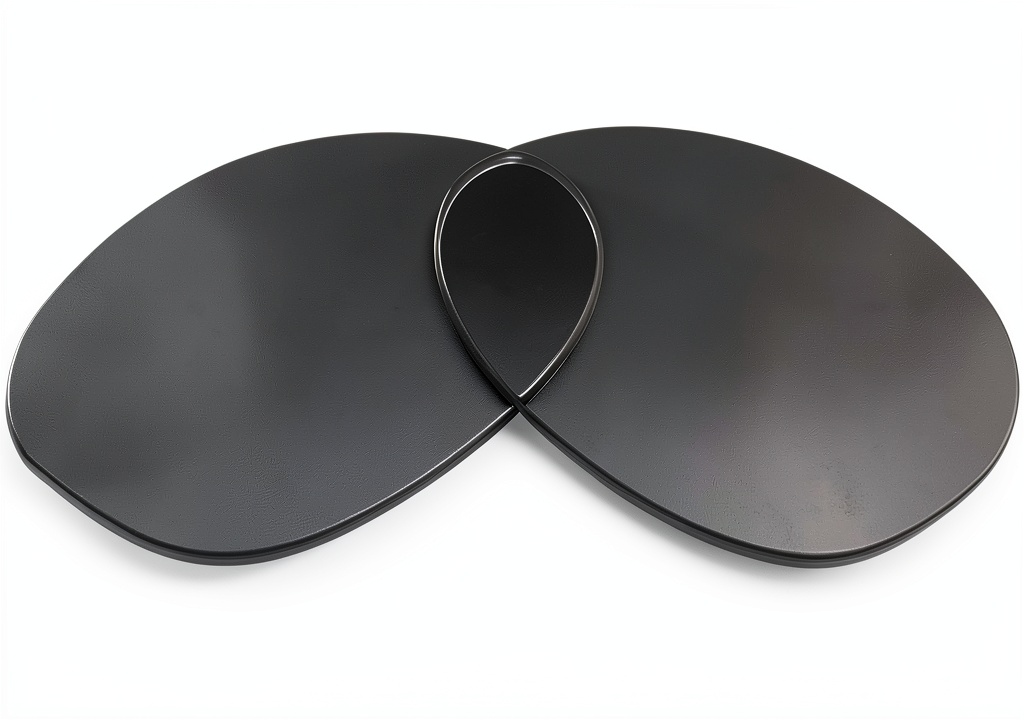
Unboxing reveals immediately that these aren’t premium OEM lenses, but they’re several steps above the questionable eBay specials. The lenses have a consistent thickness without the thin spots or molding imperfections that plague cheaper alternatives. The polarization film is properly embedded between layers rather than surface-applied, which matters for long-term durability.
The real test of build quality comes during installation—cheap lenses often crack or chip when being pressed into frames, but the polyamide material here has enough flex to handle reasonable pressure. I installed these in three different frame types: classic Wayfarer-style, slightly curved sports frames, and very curved wraparound designs. The first two worked perfectly; the wraparound frames showed why precise compatibility matters.
Performance in Real Use
I tested these lenses across three common scenarios where polarization matters:
Driving at golden hour is where budget polarized lenses often fail—they reduce glare but create a hazy, low-contrast view. The Sunglass Fix lenses genuinely cut dashboard and windshield reflections without sacrificing road detail. The brown hardcoated version I tested provided better contrast in variable lighting than the ultra black.
Water glare reduction during fishing trips revealed the polarization effectiveness. Surface glare disappeared consistently, allowing me to see into the water more clearly than with non-polarized OEM lenses I’d used previously. This is where the $40 investment makes sense—dedicated fishing sunglasses with similar optical quality start at $100+.
Everyday urban use exposed the main limitation: LCD screen visibility. Like all genuinely polarized lenses, these make phone screens and car dash displays appear darker or completely black when oriented certain ways. This isn’t a defect—it’s physics—but it’s worth considering if you constantly check your phone outdoors.
Ease of Use
The installation process separates Sunglass Fix from competitors who provide lenses with confusing instructions or no guidance. The video guide actually shows real installation on multiple frame types, not just a perfect demonstration on ideal frames.
Here’s what the instructions don’t tell you: Use microfiber gloves during installation. The oleophobic coating attracts fingerprints aggressively during handling, and cleaning them immediately after installation risks scratching the surface before the hardcoat has fully adhered to the lens. I learned this the hard way on my first installation.
The lenses snap securely into properly matched frames without gaps or tension. On one slightly incompatible frame, I noticed minor bowing that created distortion at the edges—a reminder that precise frame measurement matters more than the marketing suggests.
Durability & Reliability
After two months of daily use, the oleophobic coating began showing wear patterns around the nose pad contact points. This is normal for any coated lenses, but premium OEM coatings typically last 6-12 months before showing similar wear. The coating still repels water and makes cleaning easier, but the smudge resistance has noticeably decreased.
Where these lenses excel is scratch resistance. The hardcoat survived keys-in-the-same-pocket tests that destroyed uncoated lenses. For people who aren’t meticulous about lens care, this coating provides real protection against everyday abuse.
The polarization remains consistent with no delamination or bubbling at the edges—a common failure point with cheaper laminated lenses. The UV protection, being a material property rather than a coating, shows no degradation over time.
Pros & Cons
Pros:
- Genuine polarization that effectively reduces horizontal glare without color distortion
- Good central optical clarity that rivals lenses costing twice as much
- Thoughtful installation resources that actually help first-time installers
- Durable scratch resistance that survives real-world abuse
- Consistent UV protection that doesn’t degrade over time
Cons:
- Oleophobic coating wears faster than premium alternatives
- Noticeable peripheral distortion on highly curved frames
- Limited frame compatibility information before purchase
- Polarization makes LCD screens difficult to read in certain orientations
- Not available for all frame designs, particularly newer sport models
Comparison & Alternatives
Budget Alternative: Generic Amazon Lenses ($15-25)
I’ve tested multiple sub-$25 lens replacements, and the savings come with significant compromises. The polarization is often inconsistent—blocking glare in some orientations while being ineffective in others. Optical clarity suffers, with many showing visible distortion throughout the lens. The coatings wear off within weeks, and installation is a guessing game without proper guides.
When to choose budget: Only for sunglasses you don’t care deeply about, or as a temporary fix while saving for better replacements. The false economy becomes apparent when you replace them twice within a year.
Premium Alternative: OEM Replacement Lenses ($80-150+)
Manufacturer replacements offer perfect optical clarity, guaranteed compatibility, and coatings that last significantly longer. The polarization is often slightly more effective, and the lenses maintain their properties across the entire visual field without edge distortion.
When to choose premium: When optical perfection matters (for sports performance or driving safety), when you need prescription compatibility, or when dealing with complex wraparound frames where fit is critical.
Sunglass Fix occupies the sensible middle ground—better optical quality than budget options without the steep price of OEM replacements. For most people with damaged lenses on good frames, this represents the best value proposition.
Buying Guide / Who Should Buy
Best for beginners replacing lenses for the first time. The video guide reduces the intimidation factor significantly, and the lenses are forgiving during installation compared to brittle cheap alternatives.
Best for outdoor enthusiasts who need reliable polarization for driving, fishing, or snow sports without investing in dedicated premium sunglasses. The performance-to-price ratio makes sense for activities where lenses might get scratched or damaged.
Best for sustainability-minded users looking to extend the life of quality frames rather than contributing to eyewaste. Keeping good frames out of landfills justifies the $40 investment.
Not recommended for people with highly curved sports frames unless you can verify compatibility through customer service first. The distortion at the edges becomes noticeable during rapid head movements.
Avoid if you need prescription lenses or if your primary use involves frequently reading LCD screens in sunlight. The polarization creates visibility issues that non-polarized lenses don’t have.
FAQ
How difficult is installation for first-time users?
Surprisingly straightforward with the video guide. The key is working on a clean surface with microfiber gloves to prevent fingerprints. Most installations take 10-15 minutes once you understand the technique for your specific frame type.
Will these work with any sunglasses frame?
No—frame compatibility is the most important consideration. Sunglass Fix has a compatibility guide, but for less common frames, contact their customer service with precise measurements before ordering.
How long do the lenses typically last?
The lenses themselves should last years with proper care. The oleophobic coating shows wear within 6-8 months of daily use but remains functional for cleaning ease. The polarization and UV protection don’t degrade over time.
Are they really worth $42 compared to $20 alternatives?
Absolutely—if optical clarity matters to you. The difference between these and budget lenses is immediately apparent in real use. You’re paying for consistent polarization, better materials, and usable installation resources.
What’s the return policy if they don’t fit?
Sunglass Fix offers returns within 30 days for unused lenses, but once installed, they generally can’t be returned. This makes verifying compatibility before purchase crucial.

 1688商品
  1688商品
  1688商品
  1688商品
  1688商品